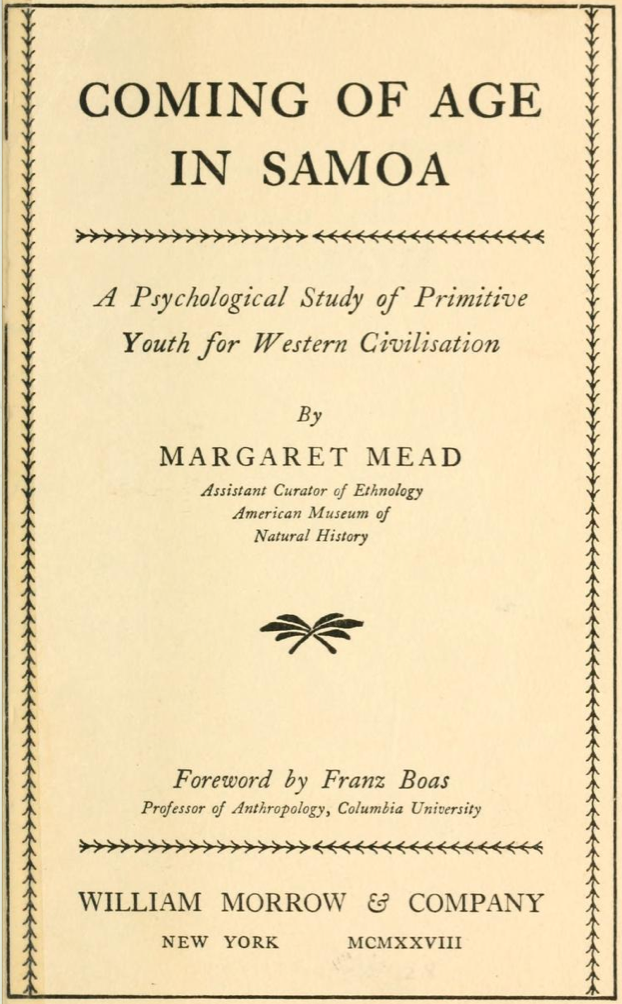
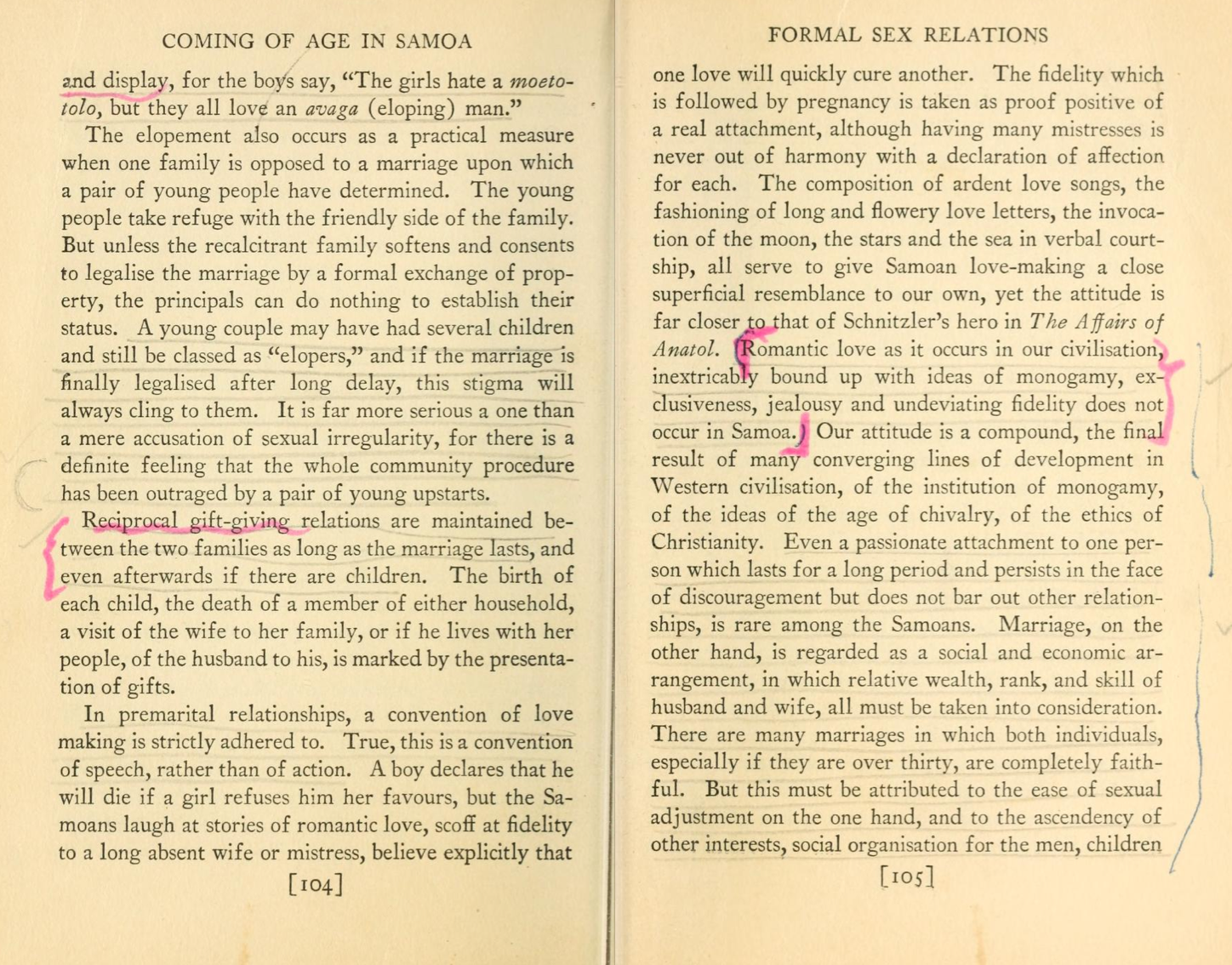
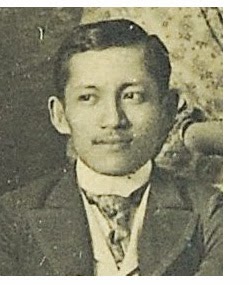
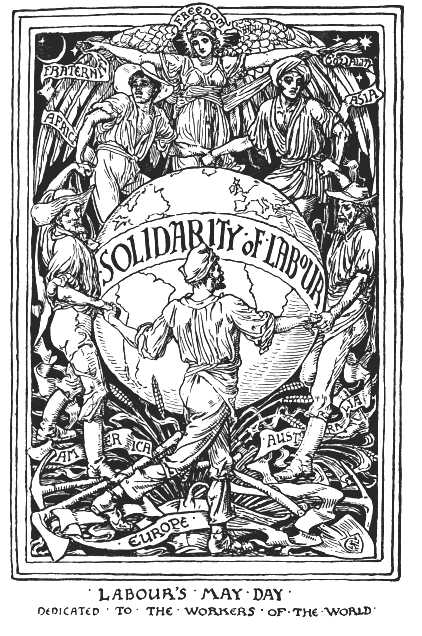
Here is a charmingly patronising prologue page to Philippine folklore stories, published in Boston in 1904. Given the date it was presumably intended as an English instructional aid for Thomasite teachers in the Philippines. Click the image to see the full text. The illustrations and typesetting are marvellous.
The sonic boom of galactic fan-jets
I’m reading Sarah C. Gudschinksy’s How to learn an unwritten language, published in 1967. The lessons are still relevant, but some of the examples are charmingly quaint (as is the convention of addressing the prospective fieldworker as ‘he’). Her examples of open-class lexemes must have been considered cutting-edge in their time. This from p25:
Multiplied by languages
An article on my intellectual hero Dr José Rizal is out now in History and Philosophy of the Language Sciences. A shorter version of it has been published in Rappler.
It is something of a cliché to assert that Dr José Rizal’s thought is as relevant as ever to the Philippine nation, but it can hardly be denied. His brilliant essay ‘On the indolence of the Filipino’, can be read as a devastatingly witty rebuke to every foreign tourist who complains about poor service or a lack of initiative amongst locals, unaware of the long shadow of colonialism they are projecting. But it was his unflinching critique of the friar orders and their oppressive governance of the Philippines that continues to resonate with such force, despite the freedoms won by the Rizal-inspired independence movement.
Canberra Weekly 1963
Canberra has the look and feel of a city that was constructed overnight in 1992. Without the juxtoposed old-and-new architecture of other Australian cities it’s rare to see anything to remind you that Canberra has existed for ten distinct decades. So I was pleased to come across this 1963 issue of Canberra Weekly for sale on ebay today. My favourite quotes come from the Teenage World section (image 5 below) where the young TV personality Rosalind Doig is profiled:
“Classical music and jazz are her favourites in the music field and she thinks Elvis is a boob […] Of Australian men, the thing she dislikes most is to see them leave their wives in the car, while they are in the bar drinking”
A forensic analysis of a forensics poster
What to make of this crime scene?
First, and most confrontingly, the author has chosen to use Comic Sans, the most socially stigmatised of all fonts. Was the culprit attempting to provoke outrage? Perhaps this indicates repressed feelings of guilt and a latent desire to be ‘discovered’ and punished.
The ‘doughnut’ spelling suggests the culprit is a native of the Commonwealth while the absence of a capital and full stop on the final sentence points to the habitual use of computer code and its lowercase conventions. Or perhaps “lecturer: Dr Paul Sidwell” is the key here! (Sorry Paul!). All this reminds me of the case of the intriguing and unsolved case of the so-called ‘identity killer’:
The International Workshop on Endangered Scripts of Island Southeast Asia
I’m very excited to be presenting at the International Workshop on Endangered Scripts of Island Southeast Asia in Tokyo, 27 February–1 March. Here is the abstract for my presentation. Comments welcome.
The Eskayan alphasyllabary of the Philippines: history and description of a utopian writing system
Over the course of the twentieth century, leaders of grassroots movements in Southeast Asia have sought to elevate the status of minority languages by rendering them visible in unique scripts. The Pahawh Hmong script, invented by Shong Lue Yang between 1959 and 1971, is perhaps the most celebrated case, but new writing systems are also reported for the Loven language of Laos (1924), and Iban in Malaysian Borneo (1947–1962) among others.
This paper describes the largely undocumented Eskayan writing system of the Philippines (ca. 1920–1937) and discusses the motivations and practicalities of its inspired (re)creation. Although Eskayan is used for the representation of Visayan (Cebuano)—a widely used language of the southern Philippines—its privileged role is in the written reproduction of a constructed utopian language, also referred to as Eskayan. Held to have been created by the ancestral ‘Pope Pinay’, the Eskayan language and writing system are used by approximately 550 people for restricted purposes in the upland region of southeast Bohol. Eskayan makes use of an inherent vowel in a small set of consonant characters, a strategy reminiscent of the endangered baybayin systems found elsewhere in the Philippines. For the most part, however, its approximately 1000 syllabic characters can be decomposed into what local scribes refer to as an inahan (‘mother’) standing for CV onsets and a diacritic sinyas (‘gesture’) indicating consonantal codas. Although the onset is often predictable from the graphic form of the inahan, coda diacritics are inconsistent, meaning that each syllabic character needs to be acquired independently.
I argue that the relatively unsystematic nature of the Eskayan writing system, and the redundancy of the majority of known Eskayan characters, is explicable with reference to the circumstances and ideologies that attended its emergence in the 1920s. From its beginnings, Eskayan was promoted by members of an anti-colonial movement that rejected the US occupation of Bohol in 1901 and sought to valorize an alternative indigenous cultural order. In my analysis, the writing system was likely to have been first developed for the cryptic transliteration of Visayan and Spanish text. Later, the syllabary was expanded to accommodate and preempt the exotic syllable shapes of the emergent Eskayan language, while anticipating the fulfillment of a local prophecy that Eskayan would one day be used for writing all the languages of the world. This dynamic between the particular and the universal plays out in traditional Eskayan literature, where written language is presented metaphorically as both a national flag substantiating indigenous difference and independence, and an expression of organic truth emanating from the human body.
Workers vs. Players
A great article by Miya Tokumitsu (‘In the name of love‘ Jacobin January 2014 and republished in Slate 16 January 2014) is doing the rounds of social media, and it’s timely that Crikey has just done a short feature on the brilliant Sarah Kendzior who has a similar schtick.
All this puts me in mind of one of the best articles I’ve ever read in Harper’s. As far as I know, it’s only available in the print edition but long ago somebody lovingly typed it up and republished it online at which point I copied it to a document and stored it on my hard drive. I’m now releasing it back into the web. Enjoy!
Crap shoot: Everyone loses when politics is a game
by Garret Keizer (Harper’s, February 2006)
I’m sure I was only supposed to be motivated, but I fear that I may accidentally have been enlightened, that day some years ago when my fellow teachers and I were treated to a videotaped lecture by the then reigning “National Teacher of the Year”. None
of us thought to ask how such a distinction had been or could be determined. It was enough to know that he was in a different league from ours. He had recently shaken hands with the President of the United States.
Squeezed into our student’s grubby desks, the underpaid servants of a grossly underpaid working-class community, we listened to his depiction of the future with our eyes uplifted to the screen. Eventually there were going to be only two kinds of people: those who deal in information and those who serve their needs. In such a society, many of the facts and crafts we taught would be obsolete. Teaching students to write essays was irrelevant, we were told, when what they needed to know was how to write good memos. As befitting an oracle, the alpha teacher delivered his news in a tone of gleeful authority. There were but two choices open to us: pointless defiance of the inevitable and creative acceptance of the brave new world (the one that Thomas Friedman has since announced is flat). Teachers who chose the latter would endeavor to make their better students into players, with the possible reward of becoming players themselves. Like the man on the screen.
I forget if “players” was the word he used, but it was implicit in all he had to say. It has become increasingly explicit in the American vernacular. The internet was still a novelty then, so the chosen few already “dealing in information” would not have been able to tally the more than five million hits that presently appear for a phrase like “key players,” among which you can learn who really counts, counted, or will count in such diverse domains as “the left’s war against conservative judges,” the global economy, the Kuomintang, World War III (as predicted in the bible), and the cheese industry.
But my colleagues and I had no trouble getting the point. It wasn’t necessary to hear the word; we knew the game. In one form or another, we had been teaching it for years. The touted “promise of education” always comes down to a veiled threat: those who fail to be players in the classroom will never amount to players later on. Yes, they also serve who only stand and wait, but mostly they serve burgers.
Or listen to motivational speeches while squeezed into grubby desks, as the case may be. There was the rub, and the National Teacher of the Year and the patrons for whom he spoke knew just how to rub it in. What message could have moved us more, with our HoHum State diplomas and our Payless shoes, that the promise that we could be players too?
…..
Folk theories about Philippine scripts
A friend recently drew my attention to an extraordinary article published by the GMA network with the intriguing title ‘Four things you may not know about our Baybayin‘.
You can follow the link about but I’ve reproduced the full text below in full in case this curious social document gets lost in the shifting sands of online media.
What strikes me in particular is how neatly the mystic researcher Bonifacio Comandante distills and amplifies folk views on writing in general and baybayin in particular. Namely, that writing has the ability to effect supernatural change, characters are always iconic even if their sources of inspiration are hard to discern, writing is the primary communicative modality while speech is secondary, and that Philippine writing is ancient. There is no empirical evidence for any of this, but the very existence of such theories is itself evidence for the social meanings people attribute to writing.
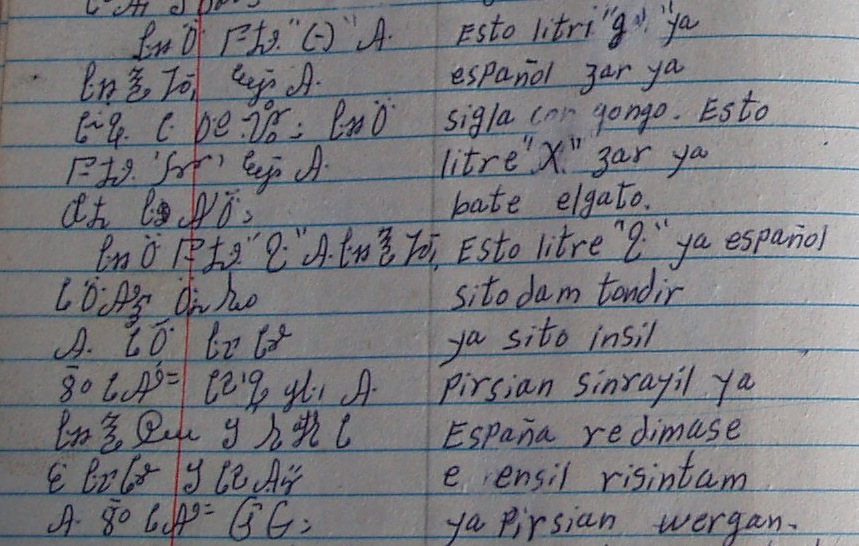
Iconicity is a feature of Eskaya attitudes to writing as treated in the the traditional story ‘The Spanish and Visayan alphabets’ in which Visayan (ie, Eskayan) letters are associated with parts of the human body while Spanish letters resemble ordinary things: a candlestand for the letter ‘I’ the tail of an animal for the lower case letter ‘g’ and a pair of scissors for ‘X’.
But what all this really puts me in mind of is the gloriously eccentric ilustrado Pedro Paterno, who reflected way back in 1887 that the baybayin symbols ᜊ and ᜎ as in ᜊᜑᜎ (<bat><ha><la>, ‘god’) were imitative of male and female sexual organs, and that ᜑ represented a kind of divine ray of light uniting the two. Comandante on the other hand, likened to ᜊ a clam shell (see below). What is it about that syllable?
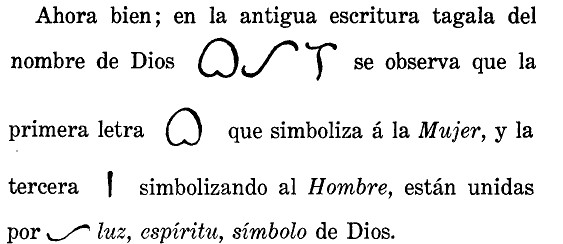
From Pedro Paterno [1887] 1915. La antigua civilizacion Tagalog. Manila: Colegio de Sto Tomas. p.34 [click image to go to book]
Four things you may not know about our Baybayin
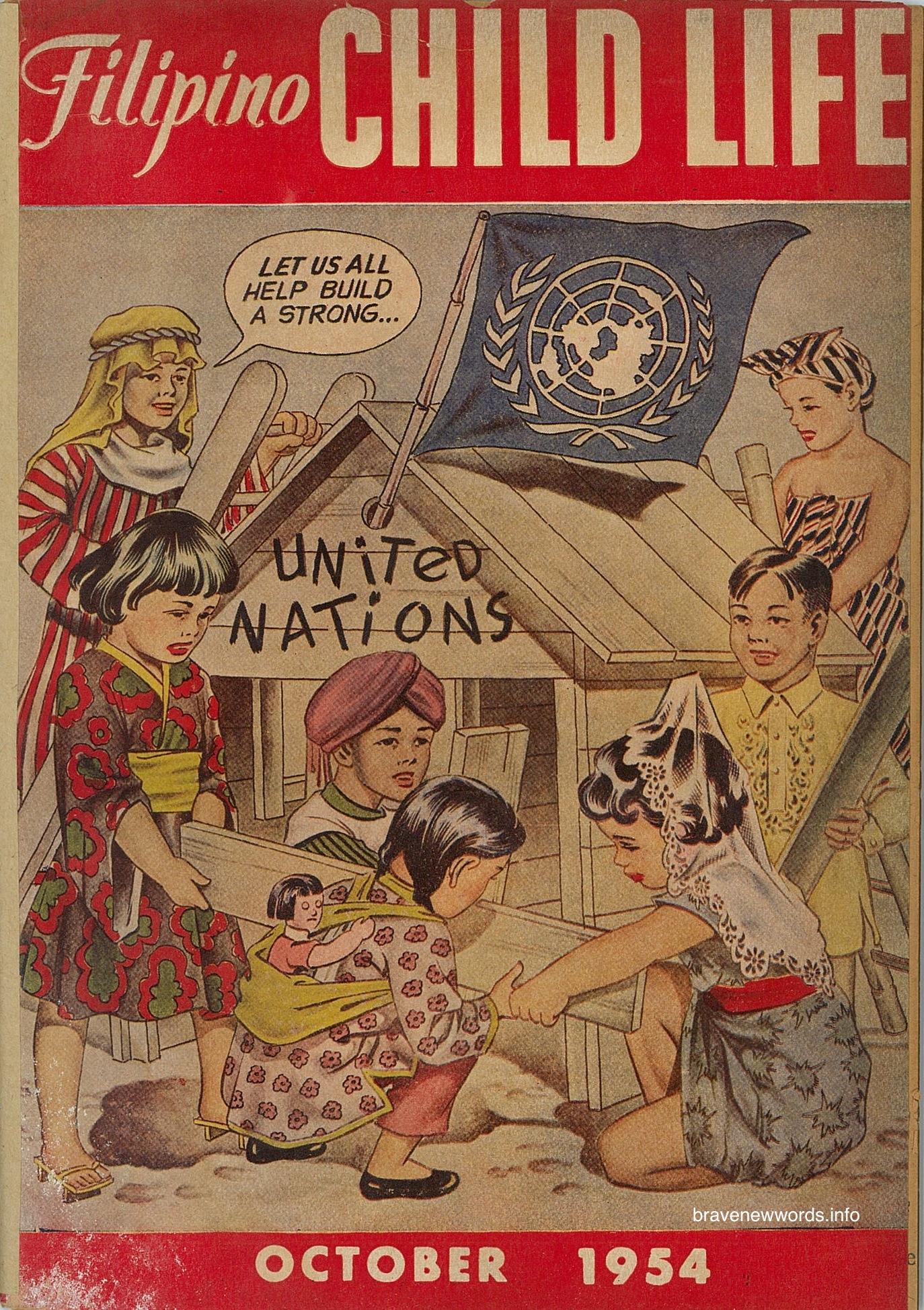
Filipino Child Life
In preparation for archiving recordings with PARADISEC I’ve been doing a lot of tidying up. I came across this lovely magazine that I picked up in a Manila market some years ago.
Stuff White People Read 2013
January
- For 40 Years, This Russian Family Was Cut Off From All Human Contact, Unaware of WWII | History & Archaeology | Smithsonian Magazine
- Confessions Of A Mum Packing Meds | The Global Mail
February
- Maybe academics aren’t so stupid after all | OUPblog
- Why Americans Are the Weirdest People in the World
- Relax! You’ll Be More Productive – NYTimes.com
- Gangster bankers: Too big to jail | Rolling Stone
March
- What Being a Handyman Has Taught Me About Male Insecurity – Andy Hinds – The Atlantic
- Everyone needs a Plan B | Savage Minds Backup
- Science engagement in Australia is a 20th century toy
- Fat City – What can stop obesity? | Karen Hitchcock | The Monthly
April
- Advice to Little Girls: Young Mark Twain’s Little-Known, Lovely 1865 Children’s Book
- Has every conversation in history been just a series of meaningless beeps? | Charlie Brooker | Comment is free | The Guardian
- Before I Forget: What Nobody Remembers About New Motherhood – Jody Peltason – The Atlantic
- BBC News – A Point of View: The pain when children fly the nest
- Why I Am Not A Conservative (Any More) | Richard Cooke | Blog | The Monthly
May
- What Parents Of Little Kids Need To Admit To Themselves
- Anthropologists in the public sphere
- Jaron Lanier: The Internet destroyed the middle class – Salon.com
- Unexcited? There May Be a Pill for That – NYTimes.com
- The Virtual Academic
- Savage Minds Interview: Sarah Kendzior | Savage Minds Backup
- Don’t make fun of renowned Dan Brown – Telegraph
- But the Australian is Elitist, Too | Richard Cooke | Blog | The Monthly
- Why Australia hates thinkers
- Hyperbole and a Half: Depression Part Two
June
- The Anthropologist as Reader
- The weirdest languages
- How typeface influences the way we read and think – The Week
- Never Give Your Kid A Cold Shower: Advice From The Worst Dad On Earth
July
- Further Materials Toward a Theory of the Man-Child – The New Inquiry
- Bogans and boat people (Pt 2)
- Information Consumerism: The Price of Hypocrisy – Überwachung – FAZ
- Why Stephen King Spends ‘Months and Even Years’ Writing Opening Sentences – Joe Fassler – The Atlantic
- How to explain anthropology to a physicist | Savage Minds Backup
- Jack Handey: “Guards’ Complaints About Spartacus” : The New Yorker
- James Hansen: Fossil fuel addiction could trigger runaway global warming | Nafeez Ahmed | Environment | guardian.co.uk
- The History of Typography, in Stop-Motion Animation – Ivan Kander – The Atlantic
- Paris Review – Completely Without Dignity: An Interview with Karl Ove Knausgaard, Sadie Stein
- Ghosting, the Irish goodbye, the French leave: stop saying goodbye at parties. – Slate Magazine
- How to Listen – NYTimes.com
- Kim Jong-il’s Sushi Chef Kenji Fujimoto: Newsmakers: GQ
- Woman’s work : Columbia Journalism Review
- McSweeney’s Internet Tendency: I Look Good in My Pork Pie Hat.
- South Country by Kenneth Slessor : The Poetry Foundation
- What Makes Something A ‘New’ Language?
August
- Who comes first, your partner or your kids?
- The Problem with P0rn
- On the Phenomenon of Bullshit Jobs | Strike! Magazine
- The reality show
- Elmore Leonard’s ten rules of writing
- Anthropology Is Your Ally
- You Can Do <em>Anything</em>: Must Every Kids’ Movie Reinforce the Cult of Self-Esteem?
- Historical guilt in America and Germany – Susan Neiman – Aeon
- The Books We’ve Lost by Charles Simic | NYRblog | The New York Review of Books
September
- LRB · Colin Burrow · Frog’s Knickers: How to Swear
- Pussy Riot’s Nadezhda Tolokonnikova: Why I have gone on hunger strike
- How Tony Abbott defeated liberal feminism
- wait but why: Why Generation Y Yuppies Are Unhappy
- Facebook Feminism, Like It or Not | Susan Faludi | The Baffler
- Why Australia hates asylum seekers
- Timelapse of the Imperceptible Effects of Aging Created from Family Portraits by Anthony Cerniello | Colossal
- Why An Abbott Election Victory Would Be Good
October
- The Logic of Stupid Poor People
- The New King of Trash Publishing: Meet the Man Who Revolutionized Lowbrow
- Book of Lamentations – The New Inquiry
- Tomboy Style: SCENE | Cowgirl Roundup
- Rise and shine: the daily routines of history’s most creative minds
- A 17-Year Old Russian Powerlifter With a Doll-like Face (11 pics)
- What’s Scott Adams’ secret to success? ‘Goals are for losers’
- Ned Kelly’s capture: full text of letter written by witness
- Stalin’s Blue Pencil
- Let’s All Write Open Letters To Miley Cyrus And Also Your Mom Forever And Ever
- Elvis Impersonator Paul Kevin Curtis and the Ricin Assassination Plot
November
- How Academia Resembles a Drug Gang | Alexandre Afonso
- Comment: Your feelings don’t matter
- 12 Mistakes Nearly Everyone Who Writes About Grammar Mistakes Makes
- Why I’m Not a TEDx Speaker — Futures Exchange — Medium
- Nadezhda Tolokonnikova of Pussy Riot’s prison letters to Slavoj Žižek
- An Opinion Piece On A Controversial Topic
- Anyone can learn to be a polymath – Robert Twigger – Aeon
- Science inspires, so don’t let your art rule your head
- Ariel Levy: “Thanksgiving in Mongolia”
December
- David Simon: ‘There are now two Americas. My country is a horror show’
- Man vs. Corpse
- A Note to You, Should You Be Thinking of Asking Me to Write For You For Free | Whatever
- Fed up in the Air · Meanjin · Literacy in Australia · Melbourne University Publishing · Classic English Literature Books · Australian Literary Journals & Magazines
- Tony Abbott running against himself as marathon turns into a sprint
- Virtual Reality, Real Spies
- Why Australia doesn’t get political satire
- The Thought Leader
- Piers Akerman on dangerous ground with Peppa Pig
- The Case for Filth
And for the record, here are my favourites from 2012 and earlier, in no particular order:
2012 (and earlier)
- Dads, feel free to break out of the cage of low expectation
- Is It Harmful to Release Gang Maps? – Neighborhoods – The Atlantic Cities
- There’s More to Life Than Being Happy – Emily Esfahani Smith – The Atlantic
- How to Live Without Irony – NYTimes.com
- Andrew Solomon’s “Far from the Tree” : The New Yorker
- How Do You Raise a Prodigy? – NYTimes.com
- Decoding Secret Societies: What Are All Those Old Boys’ Clubs Hiding? | Collectors Weekly
- Which Language and Grammar Rules to Flout – Room for Debate – NYTimes.com
- Anthropology News
- Life after Tony? – Mumble Blog | The Australian
- Book Reviewers for Hire Meet a Demand for Online Raves – NYTimes.com
- Inside Scrabble’s Cheating Scandal: ‘And Then His Hands Went Below the Table’ – Entertainment – The Atlantic Wire
- Evgeny Morozov: The Naked And The TED | The New Republic
- The Lure of the Fairy Tale : The New Yorker
- What Really Makes Us Fat – NYTimes.com
- BBC News – Angola’s Chinese-built ghost town
- Magazine – Why Women Still Can’t Have It All – The Atlantic
- Why Are American Kids So Spoiled? : The New Yorker
- Mark Kermode: How to make an intelligent blockbuster and not alienate people | Books | The Observer by Michael Chanan – Memonic
- Why I Hate Dreams by Michael Chabon | NYRblog | The New York Review of Books
- Princeton University – Princeton University’s 2012 Baccalaureate Remarks
- Good at gardening, hopeless at engineering | Inside Story
- The Sublime Horrors of Ridley Scott by Geoffrey O’Brien | NYRblog | The New York Review of Books
- Why working-class people vote conservative | Society | The Guardian
- How I Fell for Lisbon – NYTimes.com
- What’s the point of social mobility? It still leaves some in the gutter | Zoe Williams | Comment is free | The Guardian
- The Case for Breaking Up With Your Parents – The Chronicle Review – The Chronicle of Higher Education
- Against Chairs
- The Worst Book Ever is ‘Microwave for One’ « PWxyz
- How to Write Like a Scientist – Science Careers – Biotech, Pharmaceutical, Faculty, Postdoc jobs on Science Careers
- Procreation vs. Overpopulation : The New Yorker
- Anonymizing Google’s cookie
- Do We Need Stories? by Tim Parks | NYRblog | The New York Review of Books
- Jessica Zafra: Etiquette for Expats, Tourists and Other Visitors to the Philippines – InterAksyon.com
- tiffaneta: read this article
- Sex education: far from decent – The Drum Opinion (Australian Broadcasting Corporation)
- E-books Can’t Burn by Tim Parks | NYRblog | The New York Review of Books
- Why French Parents Are Superior by Pamela Druckerman – WSJ.com
- Dirty Reads · Readings.com.au
- The Death of the Cyberflâneur – NYTimes.com
- How to Land Your Kid in Therapy – Magazine – The Atlantic
- What Makes Us Happy? – Magazine – The Atlantic
- What the Right Gets Right – NYTimes.com
- 25 Things Writers Should Stop Doing
- Eating Animals – Nicolette Hahn Niman – Health – The Atlantic
- All the Single Ladies – Magazine – The Atlantic
- “The Lord of the Rings,” “Twilight,” and Young-Adult Fantasy Books : The New Yorker
- How to Use Google Search More Effectively [INFOGRAPHIC]
- BBC News – Viewpoint: Is the alcohol message all wrong?
- The Once and Future Way to Run – NYTimes.com
- Hacked! – Magazine – The Atlantic
- How to Make a Critically Acclaimed TV Show About Masculinity
- Simon Garfield: For the Love of Fonts – WSJ.com
- Wilhelm Reich, Victorians, and Sexual Revolutions : The New Yorker
- The Millions : The Million Basic Plots
- Goodbye to All That: Reflections of a GOP Operative Who Left the Cult | Truthout
- Falser Words Were Never Spoken – NYTimes.com
- Mark Kermode: How to make an intelligent blockbuster and not alienate people | Books | The Observer
- Are books dead, and can authors survive? | Ewan Morrison | Books | guardian.co.uk
- The Hazards of Nerd Supremacy: The Case of WikiLeaks – Atlantic Mobile