
Did you read it? Did you read it?
.
Since my daughter was born I have spent countless hours in a dark room trying to get her to sleep with one hand, while reading things on my phone with the other. I’ve trawled the wastelands of the web, clicked on unprepossesing links, read the articles and sifted out the best. There’s everything from the Daily Mail-esque A 17-Year Old Russian Powerlifter With a Doll-like Face to the dizzlingly high-brow Further Materials Toward a Theory of the Man-Child.
Read it through from January to December (in progress) and you’ll be as up to date as the white people in Portlandia. I recommend using Instapaper to save the things you want to read later.
Enjoy!
.
January
- For 40 Years, This Russian Family Was Cut Off From All Human Contact, Unaware of WWII | History & Archaeology | Smithsonian Magazine
- Confessions Of A Mum Packing Meds | The Global Mail
February
- Maybe academics aren’t so stupid after all | OUPblog
- Why Americans Are the Weirdest People in the World
- Relax! You’ll Be More Productive – NYTimes.com
- Gangster bankers: Too big to jail | Rolling Stone
March
- What Being a Handyman Has Taught Me About Male Insecurity – Andy Hinds – The Atlantic
- Everyone needs a Plan B | Savage Minds Backup
- Science engagement in Australia is a 20th century toy
- Fat City – What can stop obesity? | Karen Hitchcock | The Monthly
April
- Advice to Little Girls: Young Mark Twain’s Little-Known, Lovely 1865 Children’s Book
- Has every conversation in history been just a series of meaningless beeps? | Charlie Brooker | Comment is free | The Guardian
- Before I Forget: What Nobody Remembers About New Motherhood – Jody Peltason – The Atlantic
- BBC News – A Point of View: The pain when children fly the nest
- Why I Am Not A Conservative (Any More) | Richard Cooke | Blog | The Monthly
May
- What Parents Of Little Kids Need To Admit To Themselves
- Anthropologists in the public sphere
- Jaron Lanier: The Internet destroyed the middle class – Salon.com
- Unexcited? There May Be a Pill for That – NYTimes.com
- The Virtual Academic
- Savage Minds Interview: Sarah Kendzior | Savage Minds Backup
- Don’t make fun of renowned Dan Brown – Telegraph
- But the Australian is Elitist, Too | Richard Cooke | Blog | The Monthly
- Why Australia hates thinkers
- Hyperbole and a Half: Depression Part Two
June
- The Anthropologist as Reader
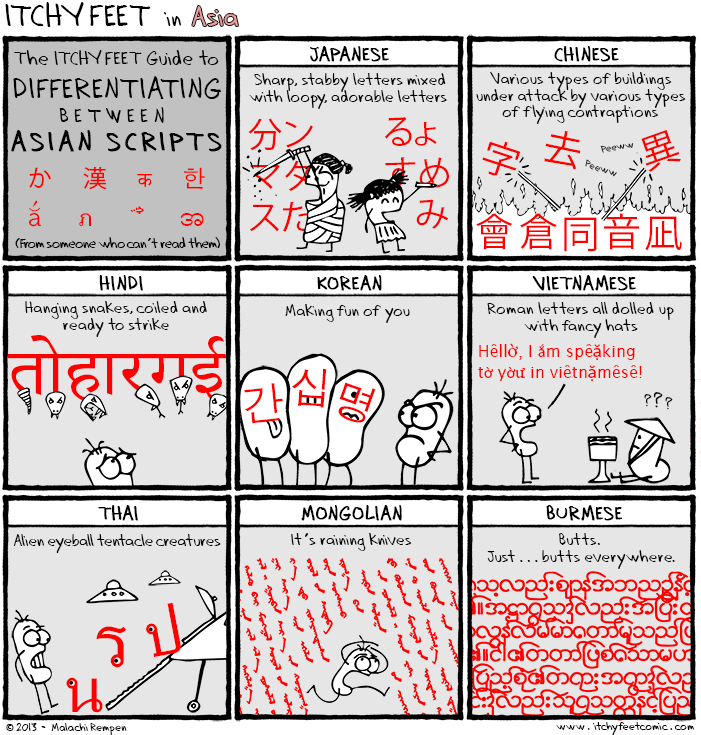
- The weirdest languages
- How typeface influences the way we read and think – The Week
- Never Give Your Kid A Cold Shower: Advice From The Worst Dad On Earth
July
- Further Materials Toward a Theory of the Man-Child – The New Inquiry
- Bogans and boat people (Pt 2)
- Information Consumerism: The Price of Hypocrisy – Überwachung – FAZ
- Why Stephen King Spends ‘Months and Even Years’ Writing Opening Sentences – Joe Fassler – The Atlantic
- How to explain anthropology to a physicist | Savage Minds Backup
- Jack Handey: “Guards’ Complaints About Spartacus” : The New Yorker
- James Hansen: Fossil fuel addiction could trigger runaway global warming | Nafeez Ahmed | Environment | guardian.co.uk
- The History of Typography, in Stop-Motion Animation – Ivan Kander – The Atlantic
- Paris Review – Completely Without Dignity: An Interview with Karl Ove Knausgaard, Sadie Stein
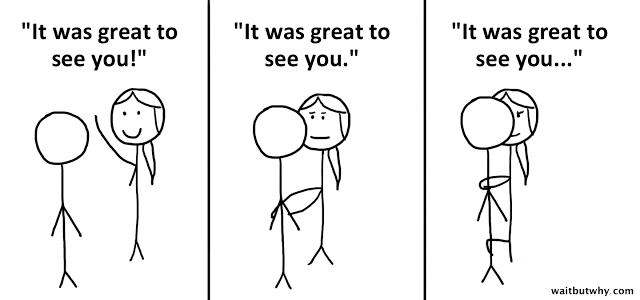
- Ghosting, the Irish goodbye, the French leave: stop saying goodbye at parties. – Slate Magazine
- How to Listen – NYTimes.com
- Kim Jong-il’s Sushi Chef Kenji Fujimoto: Newsmakers: GQ
- Woman’s work : Columbia Journalism Review
- McSweeney’s Internet Tendency: I Look Good in My Pork Pie Hat.
- South Country by Kenneth Slessor : The Poetry Foundation
- What Makes Something A ‘New’ Language?
August
- Who comes first, your partner or your kids?
- The Problem with P0rn
- On the Phenomenon of Bullshit Jobs | Strike! Magazine
- The reality show
- Elmore Leonard’s ten rules of writing
- Anthropology Is Your Ally
- You Can Do <em>Anything</em>: Must Every Kids’ Movie Reinforce the Cult of Self-Esteem?
- Historical guilt in America and Germany – Susan Neiman – Aeon
- The Books We’ve Lost by Charles Simic | NYRblog | The New York Review of Books
September
- LRB · Colin Burrow · Frog’s Knickers: How to Swear
- Pussy Riot’s Nadezhda Tolokonnikova: Why I have gone on hunger strike
- How Tony Abbott defeated liberal feminism
- wait but why: Why Generation Y Yuppies Are Unhappy
- Facebook Feminism, Like It or Not | Susan Faludi | The Baffler
- Why Australia hates asylum seekers
- Timelapse of the Imperceptible Effects of Aging Created from Family Portraits by Anthony Cerniello | Colossal
- Why An Abbott Election Victory Would Be Good
October
- The Logic of Stupid Poor People
- The New King of Trash Publishing: Meet the Man Who Revolutionized Lowbrow
- Book of Lamentations – The New Inquiry
- Tomboy Style: SCENE | Cowgirl Roundup
- Rise and shine: the daily routines of history’s most creative minds
- A 17-Year Old Russian Powerlifter With a Doll-like Face (11 pics)
- What’s Scott Adams’ secret to success? ‘Goals are for losers’
- Ned Kelly’s capture: full text of letter written by witness
- Stalin’s Blue Pencil
- Let’s All Write Open Letters To Miley Cyrus And Also Your Mom Forever And Ever
- Elvis Impersonator Paul Kevin Curtis and the Ricin Assassination Plot
November
- How Academia Resembles a Drug Gang | Alexandre Afonso
- Comment: Your feelings don’t matter
- 12 Mistakes Nearly Everyone Who Writes About Grammar Mistakes Makes
- Why I’m Not a TEDx Speaker — Futures Exchange — Medium
- Nadezhda Tolokonnikova of Pussy Riot’s prison letters to Slavoj Žižek
- An Opinion Piece On A Controversial Topic
- Anyone can learn to be a polymath – Robert Twigger – Aeon
- Science inspires, so don’t let your art rule your head
- Ariel Levy: “Thanksgiving in Mongolia”
December
- David Simon: ‘There are now two Americas. My country is a horror show’
- Man vs. Corpse
- A Note to You, Should You Be Thinking of Asking Me to Write For You For Free | Whatever
- Fed up in the Air · Meanjin · Literacy in Australia · Melbourne University Publishing · Classic English Literature Books · Australian Literary Journals & Magazines
- Tony Abbott running against himself as marathon turns into a sprint
- Virtual Reality, Real Spies
- Why Australia doesn’t get political satire
- The Thought Leader
- Piers Akerman on dangerous ground with Peppa Pig
- The Case for Filth
And for the record, here are my favourites from 2012 and earlier, in no particular order:
2012 (and earlier)
- Dads, feel free to break out of the cage of low expectation
- Is It Harmful to Release Gang Maps? – Neighborhoods – The Atlantic Cities
- There’s More to Life Than Being Happy – Emily Esfahani Smith – The Atlantic
- How to Live Without Irony – NYTimes.com
- Andrew Solomon’s “Far from the Tree” : The New Yorker
- How Do You Raise a Prodigy? – NYTimes.com
- Decoding Secret Societies: What Are All Those Old Boys’ Clubs Hiding? | Collectors Weekly
- Which Language and Grammar Rules to Flout – Room for Debate – NYTimes.com
- Anthropology News
- Life after Tony? – Mumble Blog | The Australian
- Book Reviewers for Hire Meet a Demand for Online Raves – NYTimes.com
- Inside Scrabble’s Cheating Scandal: ‘And Then His Hands Went Below the Table’ – Entertainment – The Atlantic Wire
- Evgeny Morozov: The Naked And The TED | The New Republic
- The Lure of the Fairy Tale : The New Yorker
- What Really Makes Us Fat – NYTimes.com
- BBC News – Angola’s Chinese-built ghost town
- Magazine – Why Women Still Can’t Have It All – The Atlantic
- Why Are American Kids So Spoiled? : The New Yorker
- Mark Kermode: How to make an intelligent blockbuster and not alienate people | Books | The Observer by Michael Chanan – Memonic
- Why I Hate Dreams by Michael Chabon | NYRblog | The New York Review of Books
- Princeton University – Princeton University’s 2012 Baccalaureate Remarks
- Good at gardening, hopeless at engineering | Inside Story
- The Sublime Horrors of Ridley Scott by Geoffrey O’Brien | NYRblog | The New York Review of Books
- Why working-class people vote conservative | Society | The Guardian
- How I Fell for Lisbon – NYTimes.com
- What’s the point of social mobility? It still leaves some in the gutter | Zoe Williams | Comment is free | The Guardian
- The Case for Breaking Up With Your Parents – The Chronicle Review – The Chronicle of Higher Education
- Against Chairs
- The Worst Book Ever is ‘Microwave for One’ « PWxyz
- How to Write Like a Scientist – Science Careers – Biotech, Pharmaceutical, Faculty, Postdoc jobs on Science Careers
- Procreation vs. Overpopulation : The New Yorker
- Anonymizing Google’s cookie
- Do We Need Stories? by Tim Parks | NYRblog | The New York Review of Books
- Jessica Zafra: Etiquette for Expats, Tourists and Other Visitors to the Philippines – InterAksyon.com
- tiffaneta: read this article
- Sex education: far from decent – The Drum Opinion (Australian Broadcasting Corporation)
- E-books Can’t Burn by Tim Parks | NYRblog | The New York Review of Books
- Why French Parents Are Superior by Pamela Druckerman – WSJ.com
- Dirty Reads · Readings.com.au
- The Death of the Cyberflâneur – NYTimes.com
- How to Land Your Kid in Therapy – Magazine – The Atlantic
- What Makes Us Happy? – Magazine – The Atlantic
- What the Right Gets Right – NYTimes.com
- 25 Things Writers Should Stop Doing
- Eating Animals – Nicolette Hahn Niman – Health – The Atlantic
- All the Single Ladies – Magazine – The Atlantic
- “The Lord of the Rings,” “Twilight,” and Young-Adult Fantasy Books : The New Yorker
- How to Use Google Search More Effectively [INFOGRAPHIC]
- BBC News – Viewpoint: Is the alcohol message all wrong?
- The Once and Future Way to Run – NYTimes.com
- Hacked! – Magazine – The Atlantic
- How to Make a Critically Acclaimed TV Show About Masculinity
- Simon Garfield: For the Love of Fonts – WSJ.com
- Wilhelm Reich, Victorians, and Sexual Revolutions : The New Yorker
- The Millions : The Million Basic Plots
- Goodbye to All That: Reflections of a GOP Operative Who Left the Cult | Truthout
- Falser Words Were Never Spoken – NYTimes.com
- Mark Kermode: How to make an intelligent blockbuster and not alienate people | Books | The Observer
- Are books dead, and can authors survive? | Ewan Morrison | Books | guardian.co.uk
- The Hazards of Nerd Supremacy: The Case of WikiLeaks – Atlantic Mobile


 Brave new words